
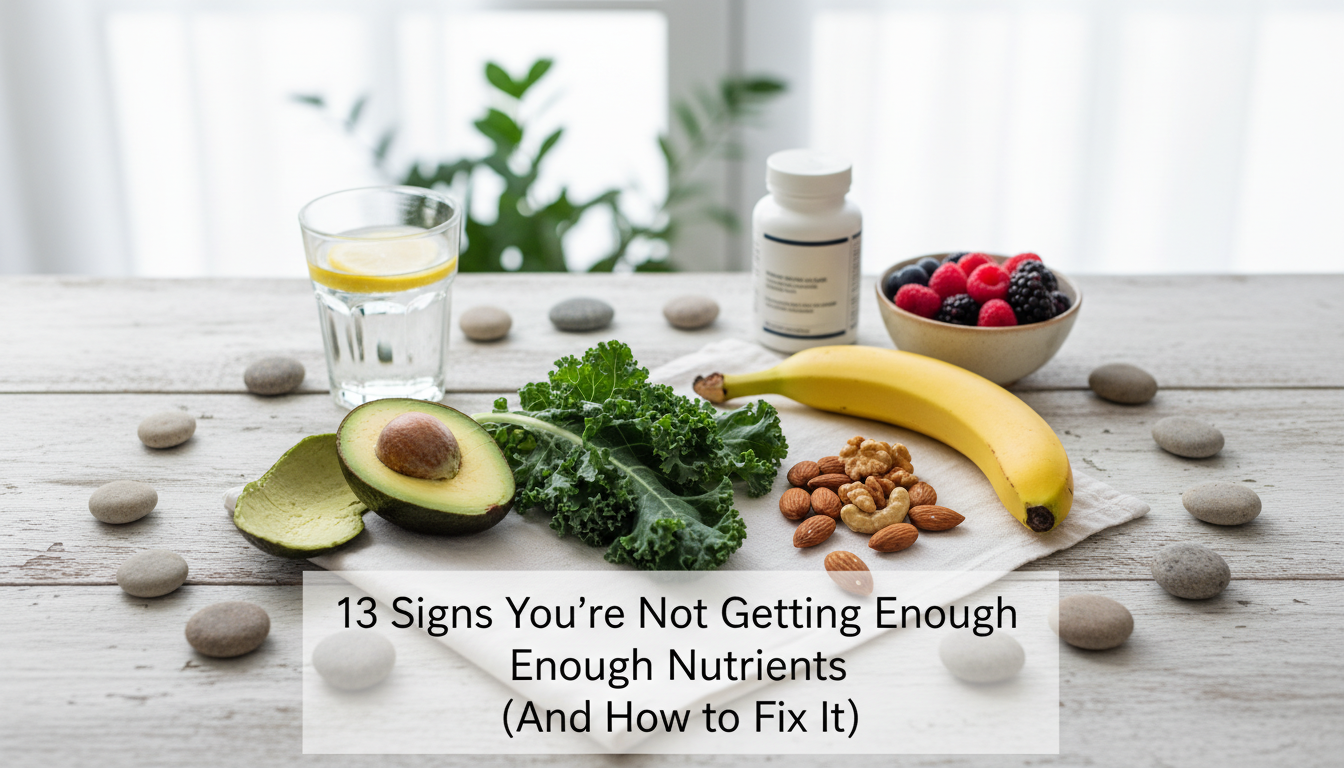

In the pursuit of optimal health, the human body is remarkably communicative. Before a serious illness takes hold, our physiology often sends out distress signals indicating that our dietary needs are not being met. However, in our fast-paced modern environment, these subtle cues—often dismissed as stress or aging—can easily be overlooked. Understanding the signs of a nutrient deficiency is crucial for maintaining metabolic balance, energy levels, and long-term wellness.
A nutrient deficiency occurs when the body does not absorb or get from food the necessary amount of a nutrient. Deficiencies can lead to a variety of health problems, ranging from digestion issues and skin disorders to stunted bone growth and dementia. While the modern diet is calorie-dense, it is frequently nutrient-poor, leading to a paradox where one can be overfed yet undernourished.


This comprehensive guide details 13 distinct signs that your body is craving essential vitamins and minerals, along with professional advice on how to rectify these imbalances.
1. Severe Hair Loss
While shedding strands of hair daily is a normal part of the hair growth cycle, a significant increase in hair loss can be a red flag for nutritional inadequacies. Hair follicles are among the most metabolically active cells in the body; consequently, when the body is under nutritional stress, it triages nutrients away from non-essential functions like hair growth to support vital organs.
The Nutrient Connection
Sudden hair loss is frequently linked to deficiencies in:
- Iron: Essential for producing hemoglobin, which carries oxygen to hair follicles.
- Zinc: Vital for hair tissue growth and repair.
- Biotin (Vitamin B7): A key player in the production of keratin.
- Protein: The building block of hair structure.
How to Fix It
incorporate iron-rich foods such as lean meats, lentils, and spinach into your diet. For zinc, look toward oysters, pumpkin seeds, and legumes. If you suspect a biotin deficiency, consider adding eggs and sweet potatoes to your meal plan.
2. Unexplained Fatigue and Weakness
Fatigue is a common complaint in clinical settings, often attributed to a lack of sleep or high stress. However, when exhaustion persists despite adequate rest, it is often a hallmark sign that your cells lack the raw materials required for energy production.
The Nutrient Connection
Chronic fatigue is strongly associated with low levels of:
- Iron: Leading to anemia and reduced oxygen transport.
- Vitamin B12: Crucial for red blood cell formation and DNA synthesis.
- Magnesium: Involved in over 300 enzymatic reactions, including energy production.
How to Fix It
To combat fatigue, prioritize a diet rich in B12 (found in animal products or fortified yeast) and magnesium (abundant in leafy greens, nuts, and dark chocolate). Pairing iron sources with Vitamin C can significantly enhance absorption.
3. Brittle, Ridged, or Spoon-Shaped Nails
Your nails serve as a window into your nutritional status. While brittle nails can result from external moisture stripping, persistent structural changes often indicate an internal deficit.
The Nutrient Connection
- Iron: Spoon-shaped nails (koilonychia) are a classic sign of iron deficiency anemia.
- Biotin: Lack of B7 can lead to brittle nails that split easily.
- Calcium: Essential for structural integrity.
How to Fix It
Ensure adequate hydration and intake of whole grains, dairy or fortified alternatives, and lean proteins. If iron deficiency is suspected, a blood panel is recommended before supplementation, as excess iron can be toxic.
4. Mouth Ulcers or Cracks at the Corners of the Mouth
Lesions in and around the mouth, specifically angular cheilitis (cracking at the corners), are frequently dermatological manifestations of vitamin deficiencies.
The Nutrient Connection
These symptoms point toward a lack of B vitamins, specifically:
- Riboflavin (B2)
- Niacin (B3)
- Pyridoxine (B6)
- Iron
How to Fix It
Increase your intake of poultry, salmon, eggs, and legumes. For vegetarians, broccoli and asparagus are excellent sources of Riboflavin.
5. Bleeding Gums
While gum bleeding is often caused by gingivitis due to poor dental hygiene, it can also be a systemic sign of a specific nutrient lacking in your diet.
The Nutrient Connection
This is the classic symptom of a Vitamin C deficiency. Vitamin C plays a critical role in collagen synthesis, which maintains the integrity of blood vessels and gum tissue. Severe deficiency leads to scurvy, though mild deficiency is far more common today.
How to Fix It
Unlike some vitamins, Vitamin C is not stored in the body and requires daily replenishment. Consume citrus fruits, bell peppers, strawberries, and kiwi regularly.
6. Poor Night Vision
Difficulty adjusting to low light or seeing in the dark (night blindness) is not always an issue to be solved by corrective lenses alone.
The Nutrient Connection
Vitamin A is essential for the production of rhodopsin, a pigment found in the retina that helps you see in low-light conditions. A lack of Vitamin A can lead to xerophthalmia, a condition that can damage the cornea.
How to Fix It
Incorporate foods rich in beta-carotene (which the body converts to Vitamin A), such as carrots, sweet potatoes, spinach, and kale. Organ meats like liver are also potent sources.
7. Scaly Patches and Dandruff
Seborrheic dermatitis (dandruff) and scaly skin patches are often treated topically, but the root cause may be internal. Nutritional gaps can compromise the skin barrier and oil production regulation.
The Nutrient Connection
Skin abnormalities are often linked to low levels of:
- Zinc
- Niacin (Vitamin B3)
- Riboflavin (Vitamin B2)
- Pyridoxine (Vitamin B6)
How to Fix It
Focus on a diet rich in whole foods. Seafood, nuts, and whole grains provide zinc and B vitamins. minimizing processed foods can also reduce inflammation that exacerbates skin issues.
8. Restless Leg Syndrome (RLS)
RLS acts as a nervous system disorder that causes an urge to move the legs, often accompanied by uncomfortable sensations. It frequently interferes with sleep.
The Nutrient Connection
Research indicates a strong correlation between RLS and low iron stores in the brain. Magnesium deficiency also plays a role in muscle relaxation and nerve transmission.
How to Fix It
Supplementing with magnesium glycinate before bed may help relax muscles. Have your ferritin levels checked by a physician to rule out iron deficiency.
9. Slow Wound Healing
If small cuts or bruises take weeks to resolve, your body’s repair mechanisms may be stalling due to a lack of building blocks.
The Nutrient Connection
Wound healing relies heavily on:
- Vitamin C: For collagen formation.
- Zinc: Required for DNA synthesis and cell division.
- Protein: Essential for tissue reconstruction.
How to Fix It
Ensure you are meeting your daily protein requirements and consuming ample Vitamin C-rich vegetables. Zinc supplementation should be monitored, as it can interfere with copper absorption.
10. Bone Pain and Muscle Weakness
Deep bone aches or muscle weakness can be misdiagnosed as arthritis or general fatigue but often stem from mineral absorption issues.
The Nutrient Connection
Vitamin D and Calcium are the primary nutrients involved here. Vitamin D is essential for the absorption of calcium. Without it, bones become soft and brittle (osteomalacia in adults).
How to Fix It
Sun exposure is the best source of Vitamin D, but dietary sources like fatty fish and fortified milk help. Calcium should be sourced from dairy, leafy greens, or sardines.
11. Irregular Heartbeat (Arrhythmia)
Palpitations or a sensation that your heart is skipping a beat can be frightening. While cardiac issues should always be evaluated by a doctor, electrolytes play a massive role in heart rhythm.
The Nutrient Connection
The heart requires a precise balance of electrolytes:
- Potassium
- Magnesium
- Calcium
Low potassium (hypokalemia) is a frequent culprit behind arrhythmias.
How to Fix It
Increase intake of bananas, avocados, potatoes, and coconut water. Avoid excessive sodium, which can deplete potassium levels.
12. Numbness or Tingling in Extremities
Paresthesia—the sensation of pins and needles in the hands or feet—signals nerve involvement.
The Nutrient Connection
This is a hallmark of Vitamin B12 deficiency. B12 is vital for the maintenance of the myelin sheath, the protective covering of nerves. Prolonged deficiency can lead to permanent nerve damage.
How to Fix It
Since B12 is primarily found in animal products, vegans must supplement. Omnivores should consume lean meats, eggs, and dairy.
13. Brain Fog and Poor Concentration
Cognitive decline, memory lapses, and an inability to focus are often dismissed as stress-related, but the brain is a high-energy organ with significant nutrient demands.
The Nutrient Connection
- Omega-3 Fatty Acids: Essential for brain cell membrane health.
- Vitamin B12 & Folate: Vital for neurotransmitter synthesis.
- Iron: Required for oxygenating brain tissue.
How to Fix It
Fatty fish like salmon and mackerel are the gold standard for Omega-3s. Walnuts and flaxseeds are good plant-based alternatives.
Professional Strategy: How to Fix Nutrient Deficiencies
Identifying the signs is only the first step. Correcting a deficiency requires a strategic approach.
1. The “Food First” Philosophy
Synthetic supplements often lack the synergistic co-factors found in whole foods that aid absorption. For example, the Vitamin E in almonds is absorbed better than the Vitamin E in a pill. Always attempt to rectify deficiencies through a diverse, colorful diet first.
2. Understand Absorption Blockers
You may be eating the right foods but failing to absorb the nutrients. Common inhibitors include:
- Tannins (Tea/Coffee): Block iron absorption. Avoid drinking these with meals.
- Phytates (Grains/Legumes): Can bind to zinc and calcium. Soaking or sprouting grains reduces phytates.
- Alcohol: Severely inhibits the absorption of B vitamins.
3. Medical Testing and Supplementation
Self-diagnosing can be risky. Excess fat-soluble vitamins (A, D, E, K) can be toxic. Before starting high-dose supplementation, request a blood panel from your healthcare provider to check serum levels of ferritin, B12, Vitamin D, and electrolytes.
FAQ: Nutrient Deficiencies
How long does it take to recover from a nutrient deficiency?
Recovery time varies depending on the severity of the deficiency. Water-soluble vitamin deficiencies (like Vitamin C or B-complex) can often be corrected within weeks. However, minerals like iron or fat-soluble vitamins like Vitamin D may take 3 months or longer to replenish tissue stores.
Can I just take a multivitamin to fix these issues?
While a multivitamin acts as an insurance policy, it is rarely enough to correct a frank deficiency. Multivitamins usually contain 100% of the Recommended Daily Allowance (RDA), which is the amount needed to maintain health, not the therapeutic dose needed to restore depleted levels.
What is the difference between macronutrients and micronutrients?
Macronutrients (protein, fats, carbohydrates) are needed in large amounts for energy and structure. Micronutrients (vitamins and minerals) are needed in smaller amounts but are essential for enzymatic reactions and physiological function. You can get enough macros but still be deficient in micros.
Conclusion
Your body is resilient, but it operates best when given the proper tools. Symptoms like hair loss, fatigue, and brittle nails are not merely cosmetic nuisances; they are your biology’s way of asking for help. By paying attention to these 13 signs and taking a proactive, nutrient-focused approach to your diet, you can prevent chronic illness and restore vitality.
Disclaimer: This content is for informational purposes only and does not constitute medical advice. Always consult a healthcare professional before making significant changes to your diet or supplement regimen.


